Resinzwood UV Art Resin - Safety Data Sheet
Product Description
Resinzwood UV Art Resin is a one-component, UV-curable modified-acrylate resin intended for small art, jewellery and craft applications. It is supplied ready to use and does not require a separate hardener..
Suitable applications may include:
- Jewellery, earrings and pendants
- Small transparent silicone moulds
- Charms and keyrings
- Doming and decorative coatings
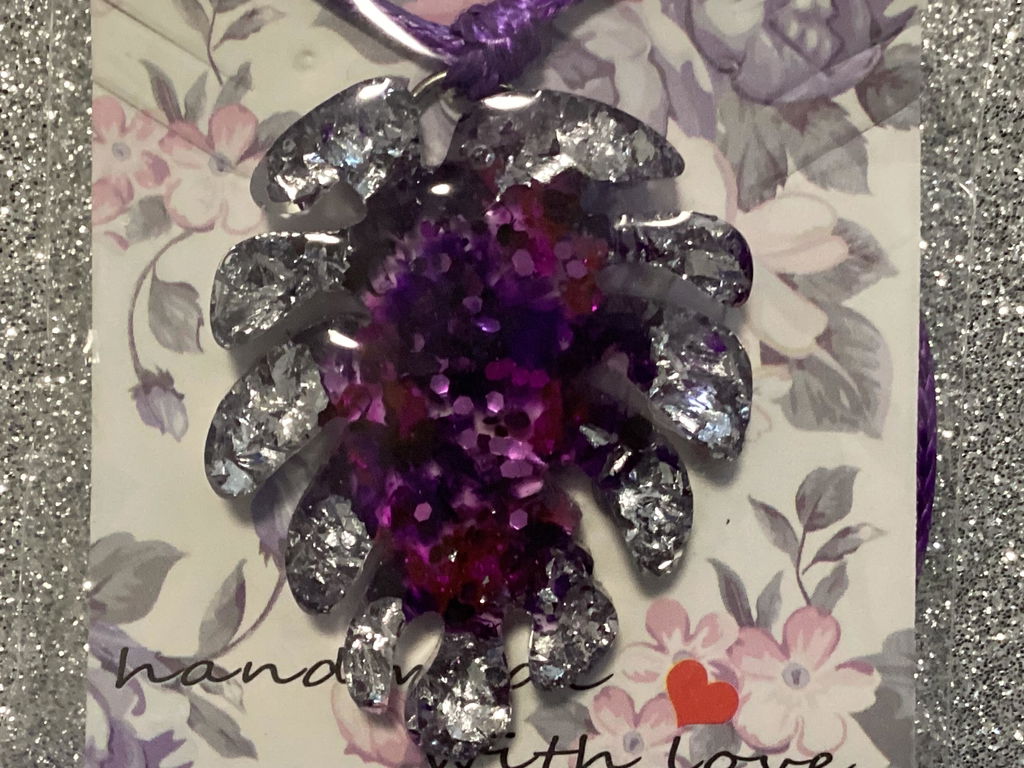
- Embedding glitter, foil and completely dried flowers
- Small transparent craft pieces
- Bonding compatible transparent materials
This product is intended for small, thin applications. It is not intended for deep casting, large-volume pours, food-contact surfaces or applications where UV light cannot reach the uncured resin.
Safety Precautions
Warning
Handle uncured UV resin as a chemical product.
- Keep out of reach of children and animals.
- Use only in a well-ventilated area.
- Avoid breathing vapour, mist or sanding dust.
- Avoid contact with skin and eyes.
- Do not swallow.
- Wear chemical-resistant disposable gloves. Nitrile gloves are generally preferred, subject to the glove manufacturer’s compatibility advice.
- Wear protective safety glasses.
- Wear long sleeves and protect exposed skin.
- Do not eat, drink, smoke or prepare food in the work area.
- Do not use kitchen utensils or food containers for resin work.
- Avoid looking directly into a working UV lamp.
- Protect skin from unnecessary UV-light exposure.
- Keep uncured resin away from drains, soil and waterways.
- Wash hands thoroughly after handling, even when gloves have been worn.
- People who develop a skin reaction should stop using the product and seek medical advice.
A dust mask does not protect against organic vapours. Respiratory protection, if required by the verified SDS or workplace risk assessment, must be suitable for the identified chemical hazard and properly fitted.
Before Starting
Prepare the following equipment:
- UV Art Resin
- A suitable UV or UV LED curing lamp
- A clean, transparent mould or jewellery bezel
- Chemical-resistant disposable gloves
- Safety glasses
- Protective covering for the work surface
- Resin-compatible decorations or colourants
- A fine tool for positioning inclusions and removing bubbles
Work away from windows and direct sunlight so the resin does not begin curing prematurely.
Ensure the mould or application surface is clean, dry and free from oil, dust, rust and moisture.
Test the resin, mould, colourants and UV lamp on a small sample before beginning an important project.
Directions for Use
1 Prepare the work area
Cover the work surface and provide good ventilation. Put on gloves, safety glasses and protective clothing.
Keep the resin bottle shaded from sunlight and away from the operating UV lamp.
2. Apply a thin layer
Dispense a small amount of resin into the mould or bezel.
Apply the resin in thin layers. Where the total thickness exceeds approximately 2 to 3 millimetres, build the piece in several separately cured layers.
3. Add decorations or colour
Add a small quantity of UV-resin-compatible mica, transparent tint, glitter, foil or other decoration.
Use pigments sparingly. Excessive colour, opaque pigment or densely packed inclusions can block UV light and prevent complete curing.
Natural materials such as flowers must be completely dry before being placed in resin.
4 Remove bubbles
Allow the resin to rest briefly so bubbles can rise. Remove visible bubbles with a fine tool.
Do not use an open flame near the resin. Excessive heat may damage the mould, resin or embedded materials.
5. Cure the resin
Place the project beneath a suitable UV or UV LED lamp and cure it according to the lamp and resin specifications.
Curing performance depends on:
- Lamp wavelength and output
- Distance between the lamp and resin
- Layer thickness
- Mould transparency
- Amount and type of pigment
- Size and position of embedded materials
- Ambient temperature
For thicker or curved pieces, expose all accessible sides to the UV light. Cure each layer before applying the next.
Do not rely on a fixed curing time unless the resin manufacturer has confirmed it. Continue curing until the entire piece is firm and no uncured liquid remains.
Sunlight may cure the product, but its intensity varies considerably. A compatible UV lamp provides better control.
6 Inspect the finished piece
Allow the piece to cool, then check the front, back, edges and recessed areas.
Do not wear, sell, sand or package the item if any portion remains liquid, soft, sticky or has a strong uncured-resin odour.
A tacky surface can indicate insufficient exposure, excessive pigment, excessive thickness, an unsuitable lamp or resin that has exceeded its usable storage life.
First Aid
These are conservative interim measures. The verified product SDS must provide formulation-specific first-aid instructions.
Eyes: Rinse immediately with clean, lukewarm water for at least 15 minutes. Remove contact lenses if present and easy to do. Continue rinsing. Obtain medical advice.
Skin: Remove contaminated clothing. Wash the affected skin thoroughly with soap and water. Do not clean skin with solvents. Seek medical advice if redness, irritation, blistering or a rash develops.
Inhalation: Move the person to fresh air and keep them comfortable. Obtain medical advice if symptoms occur or persist.
Swallowed: Rinse the mouth. Do not induce vomiting unless instructed by a medical professional or the National Poisons Centre. Seek immediate advice.
For poisoning advice in New Zealand, call the National Poisons Centre on 0800 764 766. The service operates 24 hours a day.
Call 111 for a serious or life-threatening emergency.
Spills and Accidental Release
- Keep other people and animals away from the spill.
- Ventilate the area.
- Wear suitable gloves and eye protection.
- Prevent uncured resin from entering drains, soil or waterways.
- Absorb liquid resin with an inert material such as sand or a suitable chemical absorbent.
- Place contaminated material in a sealable, compatible waste container.
- Clean the remaining surface in accordance with the verified SDS.
- Do not use solvents on skin.
- Dispose of resin and contaminated material according to local requirements.
Do not deliberately expose a bulk spill or a closed waste container to UV light. Curing can generate heat.
Storage
- Keep the container tightly closed when not in use.
- Store upright in its original, correctly labelled container.
- Store in a cool, dry and well-ventilated place.
- Protect from sunlight, UV light, heat and incompatible materials.
- Keep away from food, drink and animal feed.
- Keep securely out of reach of children and animals.
- Do not return used or contaminated resin to the original bottle.
- Do not transfer the product into an unlabelled container.
Disposal
Do not pour liquid resin into sinks, toilets, stormwater drains, soil, or waterways.
Dispose of uncured resin, contaminated absorbent material and heavily contaminated equipment as chemical waste in accordance with local council requirements and the verified SDS.
Fully cured material may be subject to different disposal requirements. Confirm the correct disposal method with the local council or waste contractor.
Important Limitations
- Use only for the applications recommended by the supplier.
- Do not use for deep pours unless specifically approved.
- Do not use on food-contact surfaces unless the finished system has documented approval for that purpose.
- Do not use for medical, dental or body-piercing applications.
- Do not allow children to use the product without appropriate adult control.
- Do not make “non-toxic”, “food safe”, “skin safe” or “non-hazardous” claims unless they are supported by verified formulation-specific documentation.
- Uncured and fully cured resin have different safety characteristics. Complete curing does not automatically prove suitability for every application.
UV RESIN SDS Download
Supplier
Resin Wood Tables NZ
Christchurch and Auckland, New Zealand
Phone: +64 21 966 387
Email: resinwoodtablesnz@gmail.com
Product page: https://resinwoodtablesnz.com/products/uv-resin-100g-or-200g
Document status: Interim customer safety and use instructions only
Safety Data Sheet
Issue date: 17 September 2026