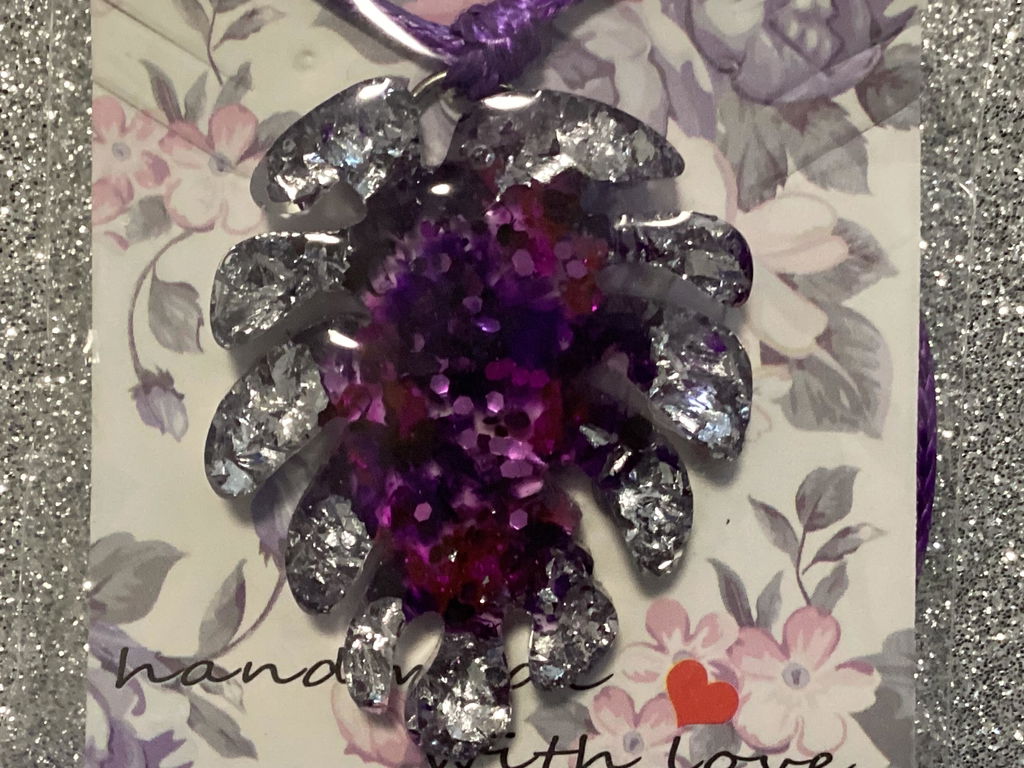
If you're looking for a versatile material to create soft, flexible, stretchy, and incredibly satisfying projects, Silicone Squishy Gel is an exciting product to explore.  Whether you're a resin artist, DIY enthusiast, prop maker, crafter or simply enjoy experimenting with creative materials, squishy gel opens up a whole new world of possibilities. Buy Silicone Squishy Gel in NZ and save with Resin Wood Tables NZ.
Unlike traditional epoxy resin, which cures to form a hard, rigid surface, silicone squishy gel is designed to create a soft, flexible, rubber-like finish. This makes it ideal for projects where you want a tactile, squishy or flexible result. We have a new shop coming to Linwood Ave, Christchurch, where you can shop Silicone Squishy Gel. Crekoat NZ Squishy Gel is made from the highest quality materials from our partner company in China, Guangdon Crekoat New Materials Limited.
From making realistic soft effects and decorative objects to creating unique art pieces and sensory-inspired projects, there are many ways to use squishy gel in your creative work.
In this comprehensive guide, we'll explore what silicone squishy gel is, how to use squishy gel, how to colour squishy gel, what you can make with it, and tips for achieving the best results. If you can find the Crekoat Squishy Gel NZ cheaper than we have for you we will undercut by 10%
What Is Silicone Squishy Gel?
Silicone Squishy Gel is a specialised two-part silicone-based material that cures into a soft, flexible and rubber-like solid. It is often used by artists, crafters, and makers who want to create objects with a soft, squishy texture rather than the hard finish associated with epoxy resin.
Depending on the formulation and curing process, silicone squishy gel can be used to create a variety of textures and effects.
The finished material can have properties such as:
- Soft and flexible
- Rubber-like
- Squishy and tactile
- Durable
- Flexible after curing
- Capable of holding colour
- Suitable for moulding
- Ideal for creative and decorative applications
One of the most appealing features of squishy gel silicone is its ability to transform a simple mould into a soft, flexible creation.
For artists working with resin, silicone moulds and DIY materials, squishy gel can be an interesting alternative material to experiment with.
If you're ready to try it yourself, you can explore Crekoat NZ Squishy Gel and find out more about the product here:
Shop Crekoat NZ Squishy Gel:
https://resinwoodtablesnz.com/products/crekoat-nz-squishy-gel
Why Use Silicone Squishy Gel?
There are many reasons artists and makers are interested in silicone squishy gel.
Traditional casting materials are often chosen because they create a hard and durable final product. However, not every creative project needs to be hard.
Sometimes, you want a material that feels soft, flexible and tactile.
That's where squishy gel can be useful.
1. Soft and Flexible Results
One of the biggest advantages of silicone squishy gel is the finished texture.
Instead of producing a hard object, the cured silicone creates a soft and flexible result that can be squeezed, pressed or manipulated depending on the final formulation and thickness.
2. Great for Creative Projects
Squishy gel is an exciting material for people who enjoy experimenting with new techniques.
You can use it to create unique decorative pieces, soft-effect art, moulded creations and many other projects.
3. Can Be Coloured
Another advantage is the ability to create coloured squishy gel.
By using a suitable silicone-compatible pigment or colourant, you can create vibrant, subtle or translucent effects.
This allows you to customise your creations to match your project, artwork or colour scheme.
4. Works With Moulds
Silicone squishy gel can be used in suitable moulds to create detailed shapes.
This makes it possible to experiment with everything from small decorative objects to more elaborate artistic creations.
5. Unique Sensory Experience
The soft, flexible texture of cured squishy gel makes it an interesting material for tactile and sensory-inspired creations.
The texture can add an extra dimension to creative projects that would otherwise be hard and rigid.
How to Use Squishy Gel
Using silicone squishy gel is relatively straightforward, but it is important to follow the manufacturer's instructions carefully.
Different squishy gel products can have different mixing ratios, working times and curing requirements. Always read the technical information supplied with your specific product before starting your project.
The general process is as follows.
Step 1: Prepare Your Workspace
Before you begin, prepare a clean and level workspace.
You will typically need:
- Silicone squishy gel
- Suitable mixing cups
- Mixing sticks or tools
- Accurate measuring equipment
- Suitable mould
- Silicone-compatible colourant, if required
- Gloves
- Protective work surface
- Appropriate personal protective equipment
Make sure your workspace is clean and free from dust, dirt and moisture.
For the best results, your mould should also be clean and dry.
Step 2: Prepare Your Mould
Choose a mould that is suitable for the type of silicone material you are using.
Depending on your project, you may use:
- Silicone moulds
- Custom-made moulds
- Decorative moulds
- Special-effect moulds
- Other compatible casting moulds
Make sure the mould is clean before pouring.
If you're making a detailed project, check the mould carefully for dust or debris that could become trapped in the finished piece.
Step 3: Measure the Squishy Gel
Two-part silicone products generally consist of two components that must be combined in the correct ratio.
Carefully measure the required amounts according to the manufacturer's instructions.
Accurate measurement is important.
If the components are not measured correctly, the material may not cure as expected.
For best results, use accurate measuring equipment and follow the recommended mixing ratio for the specific product.
Step 4: Mix the Components
Once you have measured the components, combine them in a clean mixing cup.
Mix slowly and thoroughly.
Scrape the sides and bottom of the mixing container as you work to ensure the two components are fully combined.
Avoid mixing too aggressively, as excessive mixing can introduce air bubbles.
The goal is to achieve a consistent mixture with both components fully incorporated.
Step 5: Add Colour If Required
If you want to create coloured squishy gel, add a compatible silicone pigment or colourant during the mixing process.
Start with a small amount of colour.
Mix thoroughly and check the colour before adding more.
Remember that the colour may look different before and after curing, so testing a small batch first is a good idea.
We'll cover colouring squishy gel in more detail later in this guide.
Step 6: Pour Into the Mould
Once your squishy gel is fully mixed and coloured, carefully pour it into your mould.
Pour slowly to minimise air introduction.
If your project contains detailed areas, you may find it helpful to pour carefully into the deepest or most detailed parts of the mould first.
Avoid overfilling the mould.
Leave enough room for the material to sit correctly within the mould without spilling over the edges.
Step 7: Allow the Squishy Gel to Cure
Once poured, leave the project undisturbed while the squishy gel cures.
The curing time will depend on the specific product, temperature, humidity, thickness and other conditions.
Always follow the manufacturer's recommended curing instructions.
Avoid moving or disturbing the mould during curing.
Allow the material to fully cure before attempting to remove it from the mould.
Step 8: Demould Your Creation
Once the squishy gel has completely cured, carefully remove it from the mould.
Gently flex the mould and work around the edges.
Do not force the piece out if it appears to be sticking.
A fully cured piece should be easier to remove, especially when using a suitable mould.
Take your time during demoulding to avoid damaging delicate details.
How to Colour Silicone Squishy Gel
One of the most exciting aspects of working with squishy gel is the ability to customise the colour.
Colouring silicone squishy gel allows you to create almost endless visual possibilities.
You can create:
- Solid colours
- Translucent colours
- Pastel colours
- Bright colours
- Dark colours
- Marbled effects
- Swirl effects
- Layered colours
- Multi-coloured designs
However, choosing the right colourant is extremely important.
Use Silicone-Compatible Pigments
When colouring squishy gel, you should use a colourant that is compatible with the silicone system you are working with.
Not all pigments, dyes or liquid colourants are suitable for silicone.
Using an incompatible colourant may interfere with curing or affect the final properties of the material.
Always check the manufacturer's recommendations before adding colour.
How Much Colour Should You Add?
When colouring silicone squishy gel, it is generally best to start with a small amount of pigment.
Add a little colour, mix thoroughly and evaluate the result.
If you want a stronger colour, gradually add more.
Adding too much pigment can potentially affect the curing process or change the final characteristics of the material.
For this reason, less is often better.
How to Create Translucent Squishy Gel
If you want a transparent or translucent effect, use a small amount of suitable silicone-compatible pigment.
This can create beautiful effects that allow light to pass through the cured material.
Translucent squishy gel can be particularly interesting for:
- Decorative art
- Faux food effects
- Jelly-style creations
- Soft decorative objects
- Special effects
- Fantasy-inspired projects
Experiment with different pigment concentrations to find the look you want.
How to Make Marbled Squishy Gel
Marbling is another fun technique.
To create a marbled effect, prepare two or more small amounts of differently coloured squishy gel.
Pour or combine them carefully without completely blending the colours together.
The goal is to maintain visible colour variation.
You can experiment with:
- Two-colour marbling
- Three-colour swirls
- Contrasting colours
- Similar shades
- Metallic effects, if compatible
- Transparent and opaque combinations
Every pour can create a different pattern.
How to Create Layered Colours
Layering is another creative technique for silicone squishy gel.
You can create a first layer, allow it to cure as directed, and then add another layer if the product and application allow for it.
This can create visually interesting multi-layered effects.
For example, you could create:
- A clear base with coloured layers
- A two-tone design
- Rainbow layers
- A gradient effect
- Contrasting colour sections
Always check the product instructions before attempting layered pours.
Tips for Getting the Best Results With Squishy Gel
Working with any new creative material takes practice.
Here are some helpful tips for working with silicone squishy gel.
Measure Accurately
Accurate measurement is one of the most important steps.
Follow the manufacturer's specified ratio carefully.
Incorrect proportions can lead to curing problems.
Mix Thoroughly
Make sure both components are completely mixed.
Scrape the sides and bottom of your mixing container while mixing.
Incomplete mixing can cause soft or uncured areas.
Avoid Excessive Air Bubbles
Mix slowly and carefully.
Aggressive mixing can introduce air bubbles.
If your project requires a bubble-free finish, consider techniques designed to reduce trapped air.
Work in Suitable Conditions
Temperature and humidity can affect curing.
Try to work in a clean environment with stable conditions.
Always follow the manufacturer's recommended working conditions.
Test First
If you're using a new colour, mould or technique, consider making a small test piece first.
This allows you to see how the material behaves before committing to a larger project.
Testing can help you understand:
- Colour
- Cure time
- Flexibility
- Demoulding
- Surface finish
- Compatibility
What Can You Make With Silicone Squishy Gel?
One of the best things about squishy gel is its versatility.
Depending on your creativity and the intended application, you can experiment with many different types of projects.
Here are some ideas.
1. Squishy Toys
One obvious use for squishy gel is creating soft, tactile decorative toys and novelty objects.
Using suitable moulds, you can experiment with different shapes and designs.
2. Soft Decorative Objects
Squishy gel can be used to create decorative objects with a soft and flexible finish.
These can be displayed in homes, studios, offices or creative spaces.
3. Art Pieces
Artists can use squishy gel as part of mixed-media artwork.
The contrast between hard materials and soft silicone can create an interesting visual and tactile experience.
Try combining squishy gel with materials such as:
- Wood
- Epoxy resin
- Acrylic
- Metal
- Glass
- Stone
- Textiles
Always check material compatibility before combining products.
4. Fantasy Creatures
Creative moulds can be used to make soft fantasy-inspired creatures.
Think:
- Dragons
- Monsters
- Aliens
- Fantasy animals
- Magical creatures
- Cartoon-inspired forms
Adding colour can bring these creations to life.
5. Food-Inspired Creations
Squishy gel can be used for decorative projects inspired by food.
Possible ideas include:
- Jelly-style shapes
- Gummy-style forms
- Fake desserts
- Decorative fruit
- Candy-inspired art
- Soft cake decorations
These should be treated as decorative art projects unless the material is specifically certified for food contact.
6. Faux Jelly Creations
The translucent appearance of coloured silicone can be used to create decorative jelly-style objects.
Experiment with different colours and mould shapes to create visually appealing pieces.
7. Miniature Art
If you enjoy miniature modelling, squishy gel can be an interesting material to explore.
You can create small soft-effect objects and incorporate them into larger miniature scenes.
Ideas include:
- Miniature food
- Fantasy landscapes
- Tiny creatures
- Decorative scenes
- Dioramas
8. Special Effects
Silicone materials are commonly used in creative special-effects applications because of their flexibility and ability to mimic soft materials.
Depending on the product, you may be able to experiment with:
- Fake skin effects
- Creature effects
- Soft props
- Costume accessories
- Fantasy effects
Always check whether your specific squishy gel is suitable for the intended application.
9. Cosplay Props
Cosplay artists are constantly looking for materials that can create unusual textures and shapes.
Squishy gel may be useful for creating selected soft or flexible components of a costume or prop.
Examples could include:
- Soft creature parts
- Fantasy accessories
- Flexible decorative pieces
- Alien-inspired details
- Monster effects
10. Halloween Decorations
Halloween is the perfect opportunity to experiment with unusual materials.
You could create:
- Monster decorations
- Fake slime effects
- Soft eyeball-inspired decorations
- Fantasy creatures
- Spooky props
- Weird and wonderful tactile objects
Adding coloured squishy gel can help create realistic or exaggerated effects.
11. Christmas Decorations
Squishy gel can also be used for creative Christmas projects.
Try making Silicone Squishy Gel:
- Soft ornaments
- Decorative shapes
- Fantasy decorations
- Custom tree ornaments
- Novelty decorations
Experiment with traditional Christmas colours or create something completely unique.
12. Jewellery and Accessories
Depending on the properties of the cured material and the intended use, squishy gel may be suitable for creating certain decorative accessories.
You could experiment with:
- Pendants
- Charms
- Decorative pieces
- Novelty accessories
For wearable projects, always confirm that the cured material is suitable for skin contact and the intended application.
13. Sensory-Inspired Art
The soft texture of squishy gel makes it an interesting material for sensory-inspired creative projects.
You can experiment with different shapes, colours and textures to create objects that are visually appealing and tactile.
14. Custom Moulded Creations
If you have access to a suitable mould, you can create custom shapes.
This could include:
- Logos
- Symbols
- Letters
- Numbers
- Characters
- Abstract shapes
- Custom designs
Custom moulding opens up a huge range of creative possibilities.
15. Mixed-Media Resin Projects
If you already work with epoxy resin, consider experimenting with combining hard resin and soft silicone effects.
The contrast between a hard resin surface and soft squishy elements can create an unusual and eye-catching result.
For example, you might create:
- Resin artwork with soft inserts
- Decorative mixed-media pieces
- Custom display objects
- Art panels
- Sculptural projects
Before combining materials, test compatibility on a small sample.
Silicone Squishy Gel vs Epoxy Resin
If you are familiar with epoxy resin, you may wonder how squishy gel compares.
The main difference is the final texture.
Epoxy Resin
Epoxy resin generally cures into a hard, rigid material.
It is commonly used for:
- Resin art
- River tables
- Jewellery
- Coasters
- Tumblers
- Decorative objects
- Woodworking projects
Silicone Squishy Gel
Squishy gel is designed to create a soft, flexible or rubber-like result.
It can be used for:
- Soft-effect projects
- Flexible creations
- Tactile art
- Special effects
- Decorative moulded pieces
- Novelty objects
Neither material is necessarily better than the other. The best option depends on the result you want. If your project needs a hard, glossy surface, epoxy resin may be the better choice.
If you want something soft, flexible and tactile, silicone squishy gel could be the material to try.
Common Questions About Silicone Squishy Gel
Is Squishy Gel Easy to Use?
- Squishy gel can be relatively easy to work with when you follow the manufacturer's instructions carefully.
- The most important steps are accurate measurement, thorough mixing and allowing sufficient curing time.
- As with any new material, it is a good idea to start with a small project.
Can You Colour Squishy Gel?
Yes, many silicone-based squishy gel systems can be coloured using suitable silicone-compatible pigments.
Always check the product instructions and use a compatible colourant.
Can You Mix Different Colours?
Yes, you can experiment with different colours to create custom shades, swirls and marbled effects.
Always test your chosen colourants before starting a large project.
Can Squishy Gel Be Used in Silicone Moulds?
Depending on the specific product, suitable silicone moulds may be used for casting.
Always confirm that your chosen mould is compatible with the material you are using.
How Long Does Squishy Gel Take to Cure?
Cure time depends on the specific product and environmental conditions.
Always follow the manufacturer's instructions for the product you are using.
Temperature, humidity, layer thickness and mixing accuracy can all influence curing.
Can You Make Large Projects With Squishy Gel?
The suitability of squishy gel for larger projects depends on the specific product formulation and application.
For larger projects, consider testing a small sample first.
This allows you to understand the material's curing behaviour and final properties.
Safety When Working With Squishy Gel
As with any chemical or two-part casting material, safety should always be a priority.
Before using squishy gel:
- Read the manufacturer's instructions
- Follow the safety data sheet where applicable
- Wear appropriate protective equipment
- Work in a suitable environment
- Keep materials away from children and pets
- Avoid contact with eyes and skin
- Do not use for food contact unless specifically certified
- Store materials according to the manufacturer's recommendations
Always follow the instructions provided with the specific product you purchase.
Creative Ideas to Try With Squishy Gel
If you're not sure where to begin, start with a simple project.
Here are some ideas to inspire you:
Beginner Project
Create a simple coloured squishy shape using a small mould.
Experiment with one colour and focus on getting the mixing and curing process right.
Intermediate Project
Try creating a two-colour marbled effect.
Mix two compatible colours and carefully combine them before pouring into your mould.
Advanced Project
Create a multi-layered artwork combining different colours and textures.
You could combine soft silicone elements with cured epoxy resin, wood or other compatible materials.
The possibilities are limited mainly by your creativity and the properties of the materials you choose.
Why Squishy Gel Is an Exciting Material for Makers
The world of creative materials is constantly evolving. For many artists and makers, the excitement comes from discovering something new and experimenting with what it can do. Silicone squishy gel offers an opportunity to move beyond traditional hard casting materials.
Its soft texture, flexible finish and ability to be coloured make it an interesting addition to the workshop of anyone who enjoys:
- Resin art
- DIY crafts
- Silicone moulding
- Sculpture
- Special effects
- Cosplay
- Model making
- Creative experimentation
- Mixed-media art
Whether you're an experienced maker or just starting out, squishy gel can give you a new way to think about texture and form. Instead of asking, "What can I make from a hard material?", you can start asking:
"What could I create if my finished artwork was soft, flexible and squishy?"
That change in perspective can lead to some fascinating creative ideas.
Get Started With Crekoat NZ Squishy Gel
If you're ready to experiment with Silicone Squishy Gel, Crekoat NZ Squishy Gel is an exciting product to explore.
Whether you want to create soft decorative objects, experiment with moulds, develop unique art projects or explore new creative techniques, squishy gel can add another dimension to your creative toolkit.
Before starting your project, make sure you understand the product instructions, recommended mixing ratio, curing requirements and suitable applications.
Start small, experiment with colours and techniques, and see where your creativity takes you.
Explore Crekoat NZ Squishy Gel here:
https://resinwoodtablesnz.com/products/crekoat-nz-squishy-gel
Final Thoughts
Silicone Squishy Gel is a versatile and creative material that can be used to produce soft, flexible and tactile creations.
From coloured squishy objects and decorative art to fantasy creatures, miniature projects, special effects and mixed-media artwork, there are countless ways to experiment with this unique material.
The key to successful squishy gel projects is understanding the product, measuring accurately, mixing thoroughly, using compatible colourants and allowing the material to cure correctly.
Once you've mastered the basics, you can begin experimenting with different colours, moulds, textures and techniques.
If you already enjoy working with epoxy resin, silicone moulds and resin art, squishy gel could be the next creative material worth adding to your workshop.
Start experimenting, try new techniques and discover what you can create with Silicone Squishy Gel.
Ready to get started? Explore Crekoat NZ Squishy Gel today and start creating something soft, flexible and uniquely yours.
https://resinwoodtablesnz.com/products/crekoat-nz-squishy-gel